
 An expert is one who uses words and phrases that lend credibility by creating the illusion of competence. Experts’ language sets them apart from the great unwashed from whom they derive their incomes. Do they know more than you?
Sure. However, they are better off if you are convinced that you know nothing at all. Using fancy words and phrases turns out to be an ideal way to make themselves appear necessary. The dumber you feel, the more they can charge.
The Flu-Shot Doctor
Visit a primary care physician and what do you hear? “Have you had your flu shot?” Does he know anything about the vaccine? He may know the name of it. Does he know anything else about it?
Certainly he adopts the conventional wisdom which is:“For the 2026 flu season, medical experts and major health organizations maintain that nearly everyone needs a flu shot to prevent serious illness, though specific groups are at higher risk of complications and some individuals should avoid it for medical reasons.”I am not suggesting that no one should take a flu shot. Do your own thinking. I am suggesting that with this and anything else, you gain some information pro and con. Don’t let a medical expert think for you.
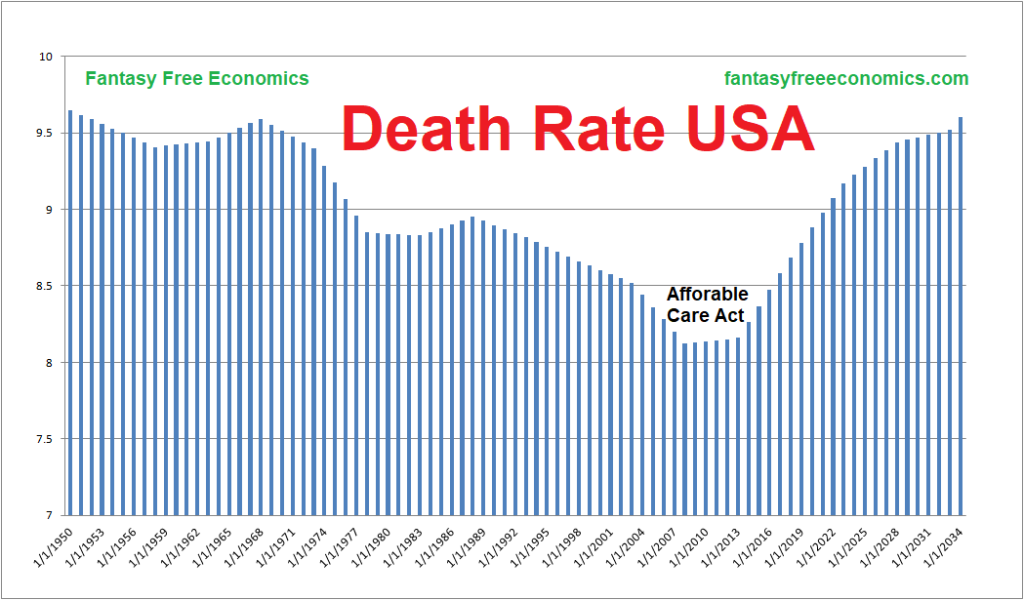
The death rate is skyrocketing in the USA. Your doctor is acting on directives from above. This is groupthink medicine.
You are not the only resource in the exam room. Your doctor is a resource to the top echelons of the healthcare industry. He is instrumental in the process of funneling money to the top of the healthcare industry.
In modern times, it pays to know something about your issue. It is folly to believe you are being dealt with honestly.
What “Expert” Really Means: Authority Bias in Action
Psychologists call this authority bias—the tendency to accept statements from people who look or sound authoritative without questioning them.
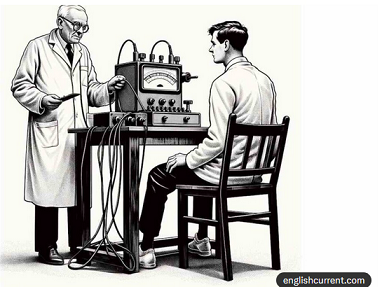
The famous Milgram experiments showed ordinary people would administer what they believed were lethal electric shocks simply because a man in a lab coat said to do it.
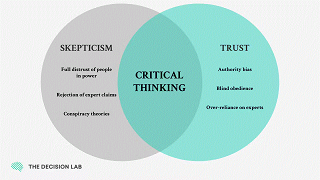
Credentials create an illusion of deep understanding. A doctor knows drug names, dosages, and protocols. That doesn’t mean he understands the underlying mechanisms, the actual effectiveness data, or the incentives that drive the system.
Real Flu-Shot Data (Not the Party Line)
The CDC’s own preliminary numbers for the 2024–2025 season show vaccine effectiveness between 36% and 54% against medically attended flu, depending on the network and strain. In some subgroups and years it has been as low as 19% or even negative in isolated studies. cdc.gov
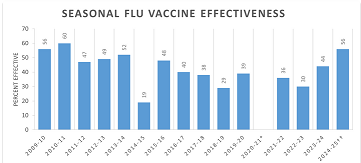
Doctors rarely volunteer those numbers. They repeat the script because that’s what the guidelines, insurance companies, and pharma reps expect.Five Times Experts Were Spectacularly Wrong
- Cigarettes are healthy
In the 1950s doctors appeared in advertisements claiming certain brands were “less irritating” or even “doctor-recommended.” semanticscholar.org cbsnews.com
- Thalidomide – “Safe for pregnant women”
Marketed as a morning-sickness cure in the late 1950s/early 1960s. Result: over 10,000 babies born with severe birth defects worldwide. - Nutrition flip-flops
Eggs went from “cholesterol bomb – eat at most 3 per week” in the 1970s–80s to “go ahead and eat 2–3 per day” today. Dietary fat was demonized, then sugar was quietly blamed instead. peoplespharmacy.com
- 2008 financial crisis
Economists and bankers insisted housing prices could never crash nationwide. Many lost homes and life savings. - Recent examples
Certain COVID-era policies and drug approvals that aged poorly (you can fill in your own here without getting into conspiracy territory).
Lesson: Expertise is narrow
When experts leave their lane and issue blanket advice, they’re often just repeating the current consensus.Why the System Rewards Bad ExpertiseDoctors face prescription quotas, pharma-funded continuing education, liability protection for following guidelines, and pressure from hospital administrators. The system is designed to move product and protect the top of the pyramid. Your doctor is a well-paid middleman in that process.
Practical Rules for Dealing With Experts
- Ask: “What is the number-needed-to-treat for someone exactly like me?”
- Ask: “What are the absolute risks and benefits, not relative ones?”
- Google the study they’re quoting on PubMed.
- Check OpenPayments.gov for industry payments to that doctor.
- Get a second opinion from someone whose income doesn’t depend on the same industry.
- Default rule: If the advice feels scripted and the expert gets defensive when questioned, dig deeper.
FAQ
Isn’t some trust in experts necessary?
Yes—in emergencies and narrow technical tasks. But blind trust is never necessary.What about life-or-death situations?
Even then, ask questions if you have time. “Is there an alternative with fewer side effects?” is always fair.Does “do your own research” mean I have to become a doctor?No. It means spend 30–60 minutes reading primary sources instead of accepting the 30-second elevator pitch.Are all doctors like this?
No. Many are honest and overworked. The problem is systemic, not individual evil.What about nutrition/finance/climate experts?
Same principle applies everywhere: follow the incentives and the data, not the credentials.Bottom LineYour doctor, your financial advisor, your economist, your nutritionist—they all have more information than you in one narrow area. That does not make them wiser about your life, your body, or your money. It is folly to believe you are being dealt with honestly. Do your own thinking, always.
An expert is one who uses words and phrases that lend credibility by creating the illusion of competence. Experts’ language sets them apart from the great unwashed from whom they derive their incomes. Do they know more than you? Sure.However, they are better off if you are convinced that you know nothing at all. Using fancy words and phrases turns out to be an ideal way to make themselves appear necessary.The dumber you feel, the more they can charge.
The Flu-Shot Doctor
Visit a primary care physician and what do you hear? “Have you had your flu shot?” Does he know anything about the vaccine? He may know the name of it. Does he know anything else about it? Certainly he adopts the conventional wisdom which is:“For the 2026 flu season, medical experts and major health organizations maintain that nearly everyone needs a flu shot to prevent serious illness, though specific groups are at higher risk of complications and some individuals should avoid it for medical reasons.”I am not suggesting that no one should take a flu shot. Do your own thinking. I am suggesting that with this and anything else, you gain some information pro and con. Don’t let a medical expert think for you.The death rate is skyrocketing in the USA. Your doctor is acting on directives from above. This is groupthink medicine. You are not the only resource in the exam room. Your doctor is a resource to the top echelons of the healthcare industry. He is instrumental in the process of funneling money to the top of the healthcare industry.In modern times, it pays to know something about your issue. It is folly to believe you are being dealt with honestly.
What “Expert” Really Means: Authority Bias in Action
Psychologists call this authority bias—the tendency to accept statements from people who look or sound authoritative without questioning them. The famous Milgram experiments showed ordinary people would administer what they believed were lethal electric shocks simply because a man in a lab coat said to do it. thedecisionlab.com
Credentials create an illusion of deep understanding. A doctor knows drug names, dosages, and protocols. That doesn’t mean he understands the underlying mechanisms, the actual effectiveness data, or the incentives that drive the system.
Real Flu-Shot Data (Not the Party Line)
The CDC’s own preliminary numbers for the 2024–2025 season show vaccine effectiveness between 36% and 54% against medically attended flu, depending on the network and strain. In some subgroups and years it has been as low as 19% or even negative in isolated studies. cdc.gov
Doctors rarely volunteer those numbers. They repeat the script because that’s what the guidelines, insurance companies, and pharma reps expect.Five Times Experts Were Spectacularly Wrong
- Cigarettes are healthy
In the 1950s doctors appeared in advertisements claiming certain brands were “less irritating” or even “doctor-recommended.” semanticscholar.org cbsnews.com
- Thalidomide – “Safe for pregnant women”
Marketed as a morning-sickness cure in the late 1950s/early 1960s. Result: over 10,000 babies born with severe birth defects worldwide. - Nutrition flip-flops
Eggs went from “cholesterol bomb – eat at most 3 per week” in the 1970s–80s to “go ahead and eat 2–3 per day” today. Dietary fat was demonized, then sugar was quietly blamed instead. peoplespharmacy.com
- 2008 financial crisis
Economists and bankers insisted housing prices could never crash nationwide. Many lost homes and life savings. - Recent examples
Certain COVID-era policies and drug approvals that aged poorly (you can fill in your own here without getting into conspiracy territory).
Lesson: Expertise is narrow. When experts leave their lane and issue blanket advice, they’re often just repeating the current consensus.Why the System Rewards Bad ExpertiseDoctors face prescription quotas, pharma-funded continuing education, liability protection for following guidelines, and pressure from hospital administrators. The system is designed to move product and protect the top of the pyramid. Your doctor is a well-paid middleman in that process.Practical Rules for Dealing With Experts
- Ask: “What is the number-needed-to-treat for someone exactly like me?”
- Ask: “What are the absolute risks and benefits, not relative ones?”
- Google the study they’re quoting on PubMed.
- Check OpenPayments.gov for industry payments to that doctor.
- Get a second opinion from someone whose income doesn’t depend on the same industry.
- Default rule: If the advice feels scripted and the expert gets defensive when questioned, dig deeper.
FAQ
Isn’t some trust in experts necessary?
Yes—in emergencies and narrow technical tasks. But blind trust is never necessary.
What about life-or-death situations?
Even then, ask questions if you have time. “Is there an alternative with fewer side effects?” is always fair.
Does “do your own research” mean I have to become a doctor?
No. It means spend 30–60 minutes reading primary sources instead of accepting the 30-second elevator pitch.
Are all octors like this?
No. Many are honest and overworked. The problem is systemic, not individual evil.
What about nutrition/finance/climate experts?
Same principle applies everywhere: follow the incentives and the data, not the credentials.Bottom LineYour doctor, your financial advisor, your economist, your nutritionist—they all have more information than you in one narrow area. That does not make them wiser about your life, your body, or your money. It is folly to believe you are being dealt with honestly.Do your own thinking. Always.